touch screen

What is a touch screen?
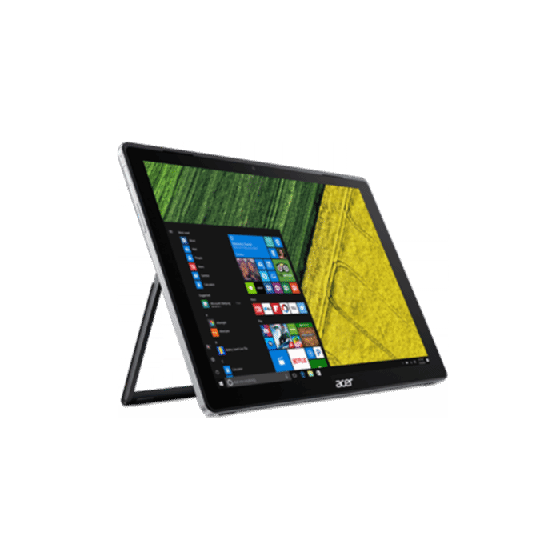
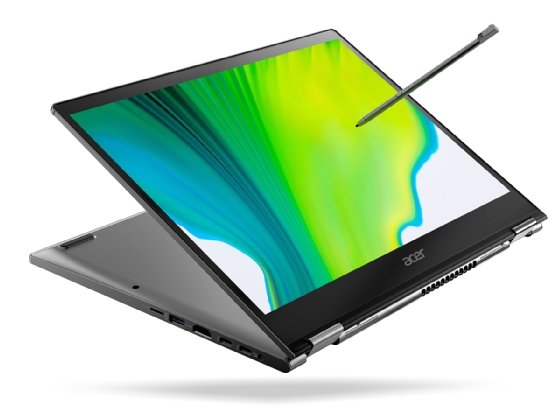
A touch screen is an electronic display screen that is also an input device. A user interacts with the computer, tablet, smartphone or touch-controlled appliance by using hand gestures and fingertip movements to tap pictures, moving elements or type words on the screen. The screens are pressure-sensitive and can be used or manipulated using fingers or a stylus.
Touch screens are a helpful alternative to using a keyboard or mouse while navigating a graphical user interface (GUI). Some devices also use touch screens with a grid of infrared beams that sense a finger, negating the need for touch-sensitive input.
What are the different types of touch screen technologies?
Several different technologies are used to enable seamless interaction with a screen. Some touch screen technologies work with only a finger, while others accommodate both fingers and tools such as a stylus.
Capacitive. A capacitive touch screen panel is coated with a material that stores electrical charges. When the display panel is touched, it draws a small amount of charge to the point of contact. Circuits located at each corner of the panel measure the charge and send the information to the controller for processing. Users must touch capacitive touch screen panels with a finger, unlike resistive and surface wave panels that can accommodate a finger or a stylus. Capacitive touch screens are not affected by outside elements and have high clarity.
Infrared. Infrared touch screens use a matrix of infrared beams, which are transmitted by light-emitting diodes (LEDs) with a phototransistor receiving end. The infrared beam is blocked when a finger or tool is used near the display. This interruption provides the device with input on the location of the finger or tool.
Resistive. A resistive touch screen panel is coated with a thin metallic electrically conductive and resistive layer that when touched causes a change in the electrical current, which is registered as a touch event and sent to the controller for processing. Resistive touch screen panels are generally more affordable but offer only 75% clarity, and sharp objects can damage the layer. Resistive touch screen panels are not affected by outside elements such as dust or water.
Surface acoustic wave. Surface acoustic wave (SAW) technology uses ultrasonic waves that pass over the touch screen panel. When the panel is touched, a portion of the wave is absorbed. The change in the ultrasonic wave registers the position of the touch event and sends this information to the controller for processing. Surface acoustic wave touch screen panels are the most advanced of the three types, but outside elements can damage them.
What is a touch screen digitizer?
A touch screen digitizer is a glass layer designed to convert physical interactions (like touching the screen with a finger) into digital signals. Both capacitive and resistive touch screens have a built-in digitizer, a glass layer placed on top of the liquid-crystal display (LCD) layer. The primary objective of the digitizer is to transform analog signals generated from touch commands into digital signals that the device can read and process.
What is touch screen calibration?
Touch screen calibration interprets different coordinates reported by the touch-screen controller into accurately represented point and image locations on an LCD or other type of display screen.
What is a touch screen monitor?
A touch screen monitor is used to input and receive information from a single peripheral device, usually a laptop touch screen monitor. So, when using a touch screen monitor, users do not have to use a keyboard or mouse. They can quickly input data directly into the device by touching the screen.
See also: flexible display, multi-touch, Gorilla Glass, mobile user interface, reconfigurable tactile display